

Volvemos coon la Escuelita de Rock y un verdadero discazo. Nuestra princesa cabezona vuelve a presentar otro grupazo finlandés muy poco conocido y de un vuelo realmente notable, que llegó a maravillar a quienes lograron escucharlo, y de ello dan constancia muchas referencias de todas partes del mundo. Una verdadera joya que nunca tuvo la repercusión que merece y que ahora, en el blog cabezón, le hacemos justicia como se merece. No dejen de disfrutar este disco que reseña nuestra querida Vicky.
Artista: Finnforest
Álbum: Finnforest / Lähtö Matkalle
Año: 1975/1976
Género: jazz rock/fusion
Duración: 73:23
Nacionalidad: Finlandia
Año: 1975/1976
Género: jazz rock/fusion
Duración: 73:23
Nacionalidad: Finlandia
Lista de Temas:
2. Sanaton laulu (3:51)
3. Happea (4:39)
4. Koin siipesi (2:52)
5. Paikalliset tuulet (4:17)
6. Aallon vaihto (4:54)
7. Kunnes (4:34)
8. P.S. (1:40)
9. Alpha (8:16)
10. Elvin (8:38)
11. Don (4:24)
12. Lähtö matkalle 1 (Starting a voyage) (8:43)
13. Lähtö Matkalle 2 (Starting a voyage) (10:48)
Alineación:
- Jarmo Hiekkala / basses (9 to 13)
- Jukka Linkola / keyboards (9 to 13)
- Pertti Pokki / synthesizers (10-11)
- Jukka Rissanen / keyboards (1 to 8)
- Jussi Tegelman / drums, congas, tympani, synthesizers
- Pekka Tegelman / guitars, basses
+ String section (12) conducted by Otto Donner
Hoy llega a nuestro muy amado blog Finnforest, banda finlandesa formada por los hermanos Pekka y Jussi Tegelman a mediados de los 70’ (si no me equivoco, en 1973). Finnforest es otra de las bandas más destacadas dentro de los que fue la escena progresiva de aquellos tiempos en la región. O bueno, ahora se le da el reconocimiento que se merece (parece ser que, en comparación con otras bandas como Wigwam y Tasavallan Presidentti, y quizás también porque es un poco posterior a éstas, en su momento no fue tan conocida en Finlandia y mucho menos en el exterior).
Tan sólo publicaron tres discos: “Finnforest” (1975), “Läthö Matkalle” (1976) y “Demon Knights” (1979).
Para esta ocasión, les traemos una edición de 1996 que viene con los dos primeros trabajos.
Pero veamos un poquito más en detalle cada una de estas perlitas del mejor rock progresivo escandinavo.
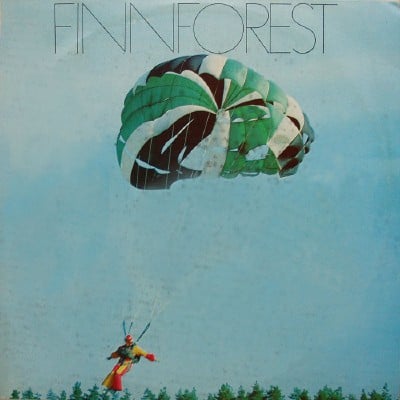 |
| Tapa original de "Finnforest" |
Comencemos con “Finnforest”. El disco en cuestión fue grabado en tan sólo cuatro días en Estocolmo y publicado por el famoso sello Love Records. Cabe destacar que éste sería el único trabajo conformado por este trío, ya que después Jukka Rissanen, el tecladista, se iría a Hungría para estudiar música (dicho sea de paso, para su siguiente álbum incorporaron dos tecladistas, un bajista y un cuarteto de cuerdas, pero de eso ya hablaremos más adelante).
Volviendo al álbum, éste es sin lugar a dudas un trabajo excelente, un primer disco muy sorprendente y con composiciones sólidas. Al escucharlo, podemos apreciar un sonido muy limpio, elegante y brillante, con momentos de mucho virtuosismo y otros más bien relajados. Supongo que tuvo bastante que ver en este sonido el rol de Pekka Tegelman, la verdad es que quedé alucinada con su forma de tocar la guitarra, tanto por la creatividad como por la expresividad. Es difícil no recordar a bandas como la Mahavishnu. Una cosa que me llamó la atención es el equilibrio que lograron a lo largo de todo el álbum, teniendo de esta forma canciones con atmósferas más bien tranquilas, como ocurre en “Mikä Yö”, “Koi Siipesi” o en “Sanaton Laulu”, y canciones mucho más dinámicas y enérgicas como “Paikalliset Tuulet” y “Happea”. Equilibrado, elegante, mágico, lleno de belleza y vuelo, éstas son algunas de las características de este disco.
Volviendo al álbum, éste es sin lugar a dudas un trabajo excelente, un primer disco muy sorprendente y con composiciones sólidas. Al escucharlo, podemos apreciar un sonido muy limpio, elegante y brillante, con momentos de mucho virtuosismo y otros más bien relajados. Supongo que tuvo bastante que ver en este sonido el rol de Pekka Tegelman, la verdad es que quedé alucinada con su forma de tocar la guitarra, tanto por la creatividad como por la expresividad. Es difícil no recordar a bandas como la Mahavishnu. Una cosa que me llamó la atención es el equilibrio que lograron a lo largo de todo el álbum, teniendo de esta forma canciones con atmósferas más bien tranquilas, como ocurre en “Mikä Yö”, “Koi Siipesi” o en “Sanaton Laulu”, y canciones mucho más dinámicas y enérgicas como “Paikalliset Tuulet” y “Happea”. Equilibrado, elegante, mágico, lleno de belleza y vuelo, éstas son algunas de las características de este disco.
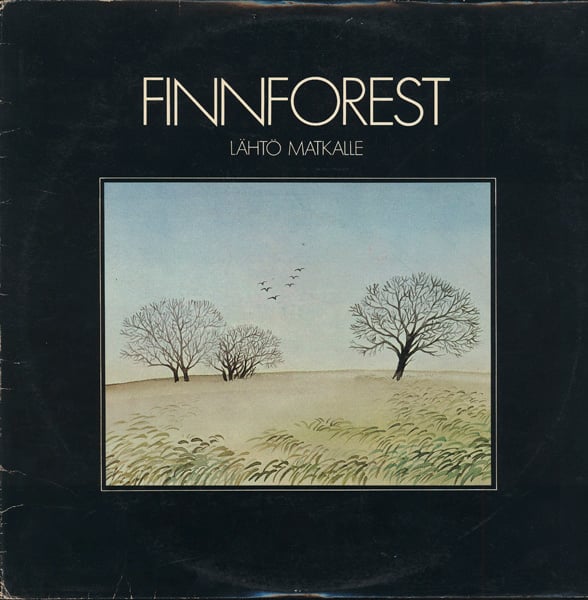
El segundo álbum de Finnforest, Lätho Matkalle, es puro jazz rock/fusión! Como comentábamos un poco más arriba, hubo algunas modificaciones en la formación. Por un lado, Jukka Linkola pasó a ocupar el puesto vacío que dejó Jukka Rissanen (además de contar con Pertti Pokki en los sintetizadores). E incorporaron al bajista Jarmo Hiekkala (como notarán, para el primer trabajo Pekka Tegelman se encargó de las partes de bajo). También incorporaron un arreglo de cuerdas en “Lätho Matkalle 1”, dirigido por Otto Donner.
Al dejar de ser un trío, ya la dinámica no es la misma, y se nota muchísimo el cambio de sonido. Se trata de un trabajo aún más sofisticado y ambicioso que el álbum debut, con composiciones de mayor duración. La obra comienza con “Alpha”. Ya de entrada la magia nórdica invade nuestras almas. Es muy probable que esté influenciada por la tapa del disco y los hermosos paisajes finlandeses, pero no les transmiten una sensación de nostalgia? Por alguna razón, en menor o mayor medida, este sentimiento me acompaña a lo largo de toda la escucha. Mmm… Como me suele ocurrir a menudo, tengo miedo de que mis palabras dañen la belleza del disco, así que sólo voy a decir entonces que, en lo personal, a mí me encantó también éste, creo que es un excelente trabajo hecho por talentosísimos músicos que nos brindan un maravilloso viaje por el jazz rock. Me gustaría destacar el fantástico el arreglo de cuerdas en Lähtö Matkalle 1” y el cierre del disco con “Lähtö Matkalle 2”, la cual comienza con un gentil piano, al que se le van sumando de a poco el resto, aumentando a cada instante la emoción (qué hermosa despedida!). Bah, en realidad destacaría todo Lähtö Matkalle :P.
En resumen, son dos joyitas totalmente imperdibles. Espero que las disfruten muchooo!!!
Y muchas gracias Moe por los discos!!
Otras reseñas sobre "Finnforest":
"Few bands manage to make an impressive debut album, most of them are still searching for their sound and getting more mature, experienced, and it is quite a challenge to already cause an amazing impression on the first work. Even my beloved PINK FLOYD didn't make a ground-shaking debut (don't get me wrong, "Piper At The Gates Of Down" is a good album, but it has some really weak moments in it - this is not the proper place to discuss them, though), neither GENESIS or YES, bands that are very worthy of the most deserved respect and appreciation until today by the various music lovers around the world. On the other hand, FINNFOREST and KING CRIMSON were two rare cases of an already glorious entrance at the prog world. The latter with their amazing ITCOTKC, and the former with this great self-titled jazz/fusion prog album."Finnforest" is sure a remarkable album, and my first experience with the JAZZ/FUSION subgenre. It has many great moments, and gets a bit heavier in some parts, and some few mellow sections. It's not a "beautiful" album, but certainly a very enjoyable and agradable one to listen to.Being this first experience of mine with Jazz/Fusion such a pleasant one, i now feel like discovering more from this genre and from the short discography of this band from Finland. Strongly recommended (despite the sadly out of place closing track)!"
Eclipse
"There are few instrumental prog albums from the '70s better than this. You can put it right up there with Camel's 'The Snow Goose' and any Finch album in terms of recording quality, instrumental dexterity and general atmosphere. But still, 'Finnforest' doesn't sound like any other thing I've ever heard.The recording quality exudes the things I love so much about '70s prog recordings: everything earthy, warm, organic, natural. You can almost hear the 1/4" thick analog tape zooming along the reels. The transfer from analog to digital seems not to have hurt the atmosphere of this album either. (I have the Love Records CD version, which also includes the 2nd album.)Instrumental dexterity? Yeah, they've got it. Amidst a bed of rich and sumptuous keyboards, the dynamic center can be found between guitarist and drummer. Who, apparently, are brothers, which can certainly help the chemistry and tension, two crucial ingredients for great music-making. Pekka Tegelman's guitar work is especially noteworthy. A player both talented and intuitive, he spirals around each song's framework like a wizard, dispensing line after magic line. It's not the most insanely rapid, bizarre or virtuoso stuff either: it's how he plays what he plays. The melodies he chooses are often not obvious ones, but they work so well and manage to make this album hugely memorable long after the actual listening.If you've shied away from non-vocal prog, worried that the anchor of human vocals makes the music seem empty (a criticism of instrumental rock music I've heard voiced several times), this album could change your mind. There's nothing weightier, more compelling or more familiar than the rich melodies and dynamic interplay that Finnforest's first album offers. Oh, and play it loud. This is jazzy instrumental progrock that actually rocks."
slipperman
"The core of this 70s Finnish prog band was twoo brothers, Pekka Tegelman (guitars, bass, drums) and Jussi Tegelman (drums). They're joined by keyboardist Jukka Rissanen to record this debut album. As this is a debut album, I am really impressed on how solid the music composition is. It blends the component of jazz and rock beautifully and reminds me to bands like Mahavishnu Orchestra, Return To Forever, and sometimes Brand X.Take example of the opening track "Mikä yö!" (5:27) which truly resembles what bands like Mahavishnu Orchestra, Return To Forever and Brand X do with teir respective albums. Of course the key here is probably on aggressive guitar solo. But when we observe into detailed sounds and notes you would find something structurally progressive like second track "Sanaton laulu" (3:51) which changes in style. While on the third track "Happea" (4:39) takes keyboard work into the next level backed up by a very dynamic drums work followed by guitar solo. Right here I can see that the music is similar with Colosseum II. I really admire how the guitar is performed here, so stunning. Right after the break with "Koin siipesi" (2:52) the music moves up in fast speed jazz rock music with "Paikalliset tuulet" (4:17). The combined work of guitar and keyboard is really stunning!Overall, I believe this album would really satisfy those of you who love jazz-rock fusion. The composition is tight and all tracks form a cohesive music from opening to end. Highly recommended. Keep on proggin' ..!Peace on earth and mercy mild - GW"
Gatot
"Tremendeously high skilled finnish band that explored the sound of prog rock by mid 70's...Their eponymous fully instrumental debut album lasts just over half an hour but it's quite enough to leave you a satisfying taste...Despite the presence of legendary jazz-rock bands such as WIGWAM and TASAVALLAN PRESIDENTI in Finland,FINNFOREST don't drow their influences from the finnish scene.They seem heavily insired by the US fusion style of MAHAVISHNU ORCHESTRA,RETURN TO FOREVER and WEATHER REPORT,especially in the guitar and keyboard work...Where the sounds gets slightly symphonic FOCUS come in mind and in the most complex intrerplay parts GENTLE GIANT's progressive rock is what hits me the most...Excellent non-stopping musicianship!...This album was really a pleasant surprise for me,for all the above reasons I highly recommended this one for all the fans of progressive rock without exception...Sorry,but I need to give this piece of music another careful spin!...4 full stars!"
apps79
"4.5 stars.This is a short record at just over 32 minutes, but man what an album ! The star of this recording is lead guitarist Pekka Tegelman, and his brother Jussi does a fantastic job on the drums, while Jukka Rissanen rounds out the trio on the organ."Mika Yo" opens with organ and gentle guitar, quite pastoral. Drums and a full sound arrive 1 1/2 minutes in and it really sounds great. It's actually a little dark with the guitar crying out. The background organ sounds just right. A calm 4 minutes in before it kicks back in to end it. What a start ! "Sanaton Laulu" opens again with organ with a full sound arriving a minute in. The organ and drums create the base while the guitar comes in playing over top. Beautiful sounding music. The tempo picks up 2 minutes in. More great guitar after 3 minutes as it settles back down to original melody. "Happea" shines after a minute when it kicks in with pounding drums and ripping guitar. It lightens up after 2 minutes with organ leading the way. Guitar is back to end it."Koin Siipesi" is a pastoral song, my least favourite but it's the shortest. "Paikalliset Tuulet" features some energetic guitar playing with drums, then the organ comes in. A drum solo 2 1/2 minutes in. The guitar returns with organ a minute later. "Aallon Vaihto" opens with a nice jazzy sound. Organ comes in and is more prominant before 1 1/2 minutes. Piano follows then the tempo picks up 2 1/2 minutes in. Guitar solo a minute later is restrained. "Kunnes" is fairly laid back for the first 2 minutes. Then the guitar comes in and the rest of the song is outstanding. The piano is beautiful after 3 minutes. "P.S." features outbusts of sound in this the final instrumental display on the album. The keys, drums and aggressive guitar recall MAHAVISHNU ORCHESTRA for me.I just really like the mood that is set by these Finns, and the lead guitar and Hammond organ doesn't hurt either."
Mellotron Storm
"Finnforest is a great guy who's contributed a lot to the site, particularly through his work with the RPI team, and his avatar is like a Star Trek person who...Oh, wait, this is for reviewing the *album* Finnforest, not the reviewer. Sorry.Finnforest play in a light airy jazz-rock fusion style reminiscent of Canterbury scene bands such as Gilgamesh, late-period Soft Machine, or Egg as they appeared on The Civil Surface. Pekka Tegelman's guitar work is the main attraction of the album, though Jukka Rissanen's contributions on keyboards and synths are also worth a mention. Whilst I wouldn't say they were a particularly groundbreaking act, they do a more than competent job of producing an enjoyable album in this particular style, one which will probably give pleasure to anyone keen on second-tier late-period Canterbury groups."
Warthur
" 3.5 stars really!!A band that found its origins in Kuopio (in the centre of Finland) among the taiga lakes and forests that abound in the region (hence the group's name), the group's origins are made from the Jussi and Pekka Tegelman twin brothers (drums and guitars respectively) who then met classically-trained keyboardist Rissanen and bass player Hiekkala and a vocalist. But by the time of their debut album's recording, they were down to an instrumental trio, with the guitarist handling the bass. Graced with a parachute artwork, recorded in Stockholm in just four days and released on Finland's main label, Love Records, the debut album fluctuates between some organ-led symphonic prog and some fiery jazz-rock in a mix that can recall Focus' style.Opening on the soft and slow Mika Yo, the album finds a typically Scandinavian melancholic organ-drenched mood, one that follows on Sanaton Lolou, although it slowly picks up speed and energy. Generally you can say that the album's A-side is rather symphonically-gentle and smooth, while the flipside is much more fiery and energetic. Tegelman's guitar takes on fiery edges of a master like McLaughlin, and it is rather obvious that the band had heard of the fusion of Mahavishnu Orchestra before. Indeed if one can hear some of the Lizst influences (due to Rissanen's Hungarian studies), one can also detect some Mahavishnuian-deformed Stravinsky ambiances as well. The closing fusionesque PS (post-scriptum) is a good indication of what to come in the near futureApparently well-received by the critics, the band only played a few gigs as keyboardist Rissanen returned to his musical studies (yup, in Hungary!!), so this relatively short album is the only testimony of that line-up, but it's a very interesting one, and probably the easiest for symphonic-minded progheads. Note that I've reviewed this first album through the excellent Laser's Edge 2on1 CD release, though."
Sean Trane
Otras reseñas sobre "Lähtö Matkalle":
"They have a new keyboardist for this their second album.They also added a full time bass player, and have a guest playing synths on a couple of tracks. Oh, there is also a string section for one song. This album isn't as dynamic as the debut, much more laid back with the guitar being toned down quite a bit."Alpha" is mellow with plenty of atmosphere early before the drums come in. Tasteful guitar 2 1/2 minutes in goes on and on until the piano takes over before 5 minutes. Keys and bass are prominant as well. "Elvin" is a melancholic and slow moving track until a breakout 2 minutes in but it's brief. Another outburst after 4 minutes but this time it continues. Great sound with the keys and bass. Guitar comes in after 6 minutes.
"Don" is a very jazzy tune. The guitar is enjoyable after a minute. Drum solo after 2 1/2 minutes. "Lahto Matkalli I" opens with that guest string section for over 1 1/2 minutes. The tempo picks up 4 minutes in with some nice keyboard work. Guitar comes to the fore 6 1/2 minutes in as bass throbs. Strings are back before 8 minutes. "Lahto Matkalle II" opens with gentle piano. Pretty slow going actually. Guitar eventually joins in. Drums after 3 minutes and synths. A change before 6 minutes. Organ after 8 1/2 minutes. The song fades out to end it.
A nice relaxing album with some excellent playing on it. I much prefer their debut though. Still this is a solid 4 stars."
Mellotron Storm
"With a revamped line-up after Rissanen's departure, the band becomes a (standard prog) quartet y adding keyboardist Linkola and reacquainting with bassist Hiekkala. Well the new arrivals definitely changed the band's sound and one can only notice a shift away from the symphonic prog (mainly due to Rissanen's classical training) to slide towards a much fierier still-instrumental jazz-rock ala Mahavishnu Orchestra, even if they will never reach the speed of light execution and the 200 notes/second sound-barrier of McL's crew. Released on the inevitable Love Record label in 76, the album sports a superb lonely tree on an otherwise-barren land. Too bad it will get lost in the album's sole CD reissue.Where their debut album featured eight tracks, the LM successor featured only five, for a longer overall duration, including a two-part sidelong title track. Right from the first notes of the opening Alpha track, one can hear MO inspirations, but Finnforest cannot be reduced to that lone influence either. Indeed, Elvin is a quite slower tune, but shifting constantly of time and key changes. One of the main sonic changes is that Linkola makes a greater use of his ARP synth (a bit at the expense of the organ), but it fits the band's new directions to a tee. The album-shortest Den track presents an ultra-funky ARP-and-Rhodes dominated fusion, which also indulges in a (unneeded) drum solo, but it presents a different facet of their new line-up.The sidelong title track is a much more complex piece that includes some extended string arrangements and orchestrations. It is indeed the orchestra that opens the first movement, and plays "solo", before dying down and allowing the group to take over. In the slow but implacable crescendo that will follow, the strings come back regularly for dramatics- induced interventions. When the group is in its full twin-barrel turbo speed, it is reminiscent to Mahavishnu mixing body fluids with a horn-less Zao/Magma. Sounds intriguing??? You bet your arse, it is! The second half opens on Linkola's slow melancholic piano, but the group slowly inserts its excellent grain of salt, and Linkola shifts to the organ and plenty of that ARP synth, with Hiekkala's bass romping all over its fretboard. Excellent stuff. The band would go on for a while after the album's release, but it was unstable and it folded apart, to rise from its ashes two years later and record their final album under the same line-up, but with a main composer shift to drummer Jussi. This second album is my personal fave over the debut, but it is rather difficult to dissociate them apart since the only possible CD reissue is the Laser's Edge 2on1, which I used to review Finnforest's albums I've heard. Much recommended."
Sean Trane
Reseñas sobre esta edición:
"Finland is known for giving birth to some fantastic progressive rock acts including WIGWAM, PEKKA POHJOLA and TASAVALLAN PRESIDENTI and oh yes. FINNFOREST. Although mostly forgotten this little known band may represent the very best to have ever come out of Norway IMHO. The Laser's Edge has carefully re-stored and has put their 2 earliest albums on 1 cd for all of us now to enjoy - "Finnforest" (1975) and their masterpiece "Lahto Matkalle" (1976). The self-titled debut features a slightly harder prog rock flare featuring some tremendously lively guitar/keyboard/drums interplay of Pekka Tegelman, Jukka Rissanen, and Jussi Tegelman. Hard to really peg down but I guess you could draw parallels to the music of FINCH, CAMEL and perhaps even CARAVAN. In contrast "Lahto Matkalle" delivers a different character harnessing more of a jazz-prog composition with the band more in a classic quartet formation. A wonderful string section is used on the side long title composition creating a sublime fusion of classical, progressive, and jazz. Toss in some of the heaviest fuzz-bass this side of MAGMA and you have a mature, unique recording that is amongst my favs. A Wonderfully complex recording which you need to own."
loserboy
"This is an instrumental fusion band from the seventies. It has a certain Finnish (and forestral?) nature, like e.g. Pekka Pohjola's music too. The composer is the guitarist Pekka Tegelman (who later wrote and played for singer Liisa Tavi among others, by the way). The sound is rather mellow, besides electric guitar the keyboards are in the key role. I'm not expert in these things but I guess Minimoog is behind the nocturnal sound heard especially in the beautiful opener 'Mikä yö'/ 'What a night'. I can imagine how perfectly flute would fit into Finnforest's music, making it more comparable to CAMEL.This CD includes the two main albums; the debut (1975) is very short so that really makes sense. Sadly no retrospective information is given. I may like a couple of debut's tracks the best, even if Lähtö Matkalle (1976) is more progressive with longer compositions. The keyboardist had changed and some other new players arrived for the second album - another reason for sounding a bit different. I think I should like Finnforest more than I do; somehow however it often remains a bit lame music to my ears. There could be more either intensity or melodic beauty than there is. Anyway, there are some listeners even abroad who are very charmed by this band; if you want to hear some vintage Finnish fusion this is surely worth checking out.PS: 'Koin siipesi' (I felt your wings) has a little wordplay, it means also 'your moth wings'. Many titles refer to nature, suitably."
Matti
Si no sabés dónde obtener el link, andá a la parte que dice "Por si algún día no estamos acá" que ahí esta todo explicado :).


Gracias Princesa Cabezona por esta reseña! realmente esta banda tenía que estar en nuestro espacio, y debíamos reivindicar sus notables creaciones!!!
ResponderEliminarLos cabezones te estamos agradecidos :)
Gracias a vos, Moe!! Por cierto, feliz día del rock progresivo para todos!! No hace mucho me enteré de que se festejaba hoy, pensaba que era el 21 de diciembre (en el día Rush :D)
EliminarNo me lo pierdo, gracias Vicky!!!
ResponderEliminarPor nada, Callenep! :)
EliminarNo, no se lo pierdan porque está muy bueno, se podrán dar cuenta en los videos.
ResponderEliminarY FELIZ DIA DEL ROCK PROGRESIVO PARA TODOS!!!! :D