


Y si el anterio disco de estos serbios les gustó, esperen a escuchar las atmósferas de su último disco. Con màs presencia de la guitarra, con màs energìa y las mismas ganas de abrir nuevos caminos, estos mùsicos crearon otro disco espectacular que rebalsa de calidad, sensibilidad y buen gusto. Impresionante, imperdible y extremadamente disfrutable, creo que este es un disco que amaràn tanto los aficionados del jazz, como los del post-rock o los del rock progresivo sinfónico. Discazo absolutamente genial e imperdible.
Artista: Eyot
Artista: Eyot
Álbum: Similarity
Año: 2014
Género: Jazz Rock / Fusion
Duración: 53:39
Nacionalidad: Serbia
Año: 2014
Género: Jazz Rock / Fusion
Duración: 53:39
Nacionalidad: Serbia
Lista de Temas:
1. How Shall The Dust Storm Start?
2. Druids
3. Similarity
4. Pools Of Purple Light
5. New Passover
6. Nirvana
7. Walking On The Thin Ice With Iron Shoes
8. Blessing
1. How Shall The Dust Storm Start?
2. Druids
3. Similarity
4. Pools Of Purple Light
5. New Passover
6. Nirvana
7. Walking On The Thin Ice With Iron Shoes
8. Blessing
Alineación:
- Marko Stojiljkovic / bass
- Milos Vojvodic / drums
- Sladjan Milenovic / guitar
- Dejan Ilijic / piano
Guest:
Dejana Sekulic / viola (track 2)
Pete Judge / trumpet (track 8)
Jake McMurchie / tenor saxophone (track 8)
- Marko Stojiljkovic / bass
- Milos Vojvodic / drums
- Sladjan Milenovic / guitar
- Dejan Ilijic / piano
Guest:
Dejana Sekulic / viola (track 2)
Pete Judge / trumpet (track 8)
Jake McMurchie / tenor saxophone (track 8)
Como primera menciòn les digo que los dos temas de los primeros videos no están en este disco, pero ello no importa, me encantaron y los quise traer. Pero no se preocupen que los temas de este disco no se quedan atrás.
Un cuarteto de jazz emanando lucidez y solvencia, pero sobretodo iamginación, sensibilidad y emotividad. El primer álbum, "Horizon" se caracterizó por un ambiente hermoso y una serenidad y atmòsfera atractiva que sin duda llenarà las expectativas de los aficionados del jazz-rock más enfocados a los desarrollos melòdicos. Luego sacaron un segundo álbum de la banda, "Drifters" que no he escuchado por lo que no voy a opinar sobre él. Y llegamos al último álbum del cuarteto de Serbia, que eleva la banda a otro nivel, ganando una mayor cohesión que se traduce en términos de música cargada de dramatismo.

Las melodías siguen siendo una parte central de su sonido, pero su sonido final es aún más refinado y, al mismo tiempo... provocativamente intenso. El álbum encapsula perfectamente el enfoque atmosférico de Eyot: el ritmo creado por la base bajo - batería crea inmediatamente la imagen de una obra maestra de energía controlada, ya que la banda amenaza con explotar en cualquier momento, pero nunca lo hace, y la tensión resultante resulta magnífica y agrega drama a la suave belleza de la melodía. Todo un testimonio de creatividad enèrgica en la construcción de una carrera liderada por sus propios dictados.
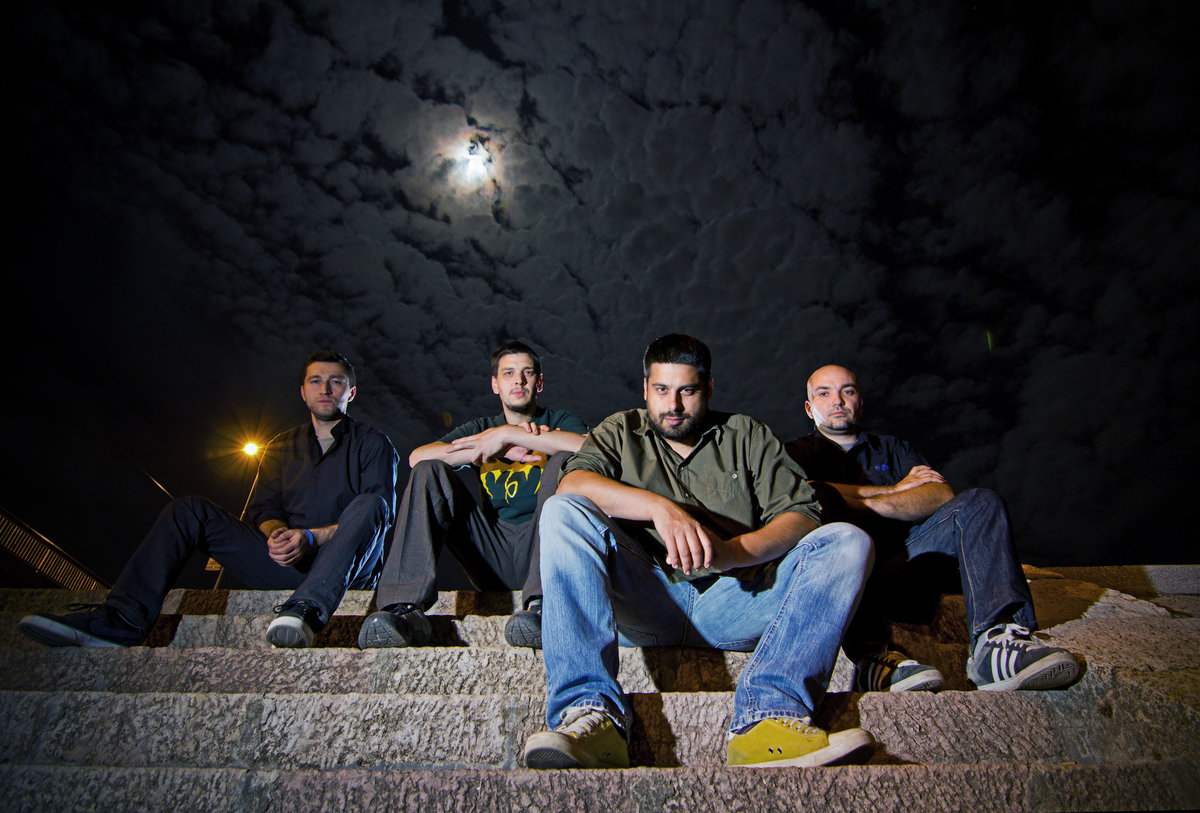
El jazz tiene el poder de provocar a los músicos para hacerlos crecer musicalmente quizás como ningún otro género (este es mi simple opinión). Las apariciones de las cuerdas, del saxo tenor y la trompeta (tanto el sazo como la trompeta aparecen otra vez) vuelven a dar su couta de ampliaciòn de horizontes que ayudan a formar la nueva dirección tomada por la banda, caracterizada por la intensidad en sus composiciones y el dramatismo impuesto en los temas. Otro interesantísimo desarrollo en la capacidad creativa del grupo que crea un álbum capaz de imprimir nuevos caminos dentro del propio y personal camino ya elegido por el grupo, pero dentro de los ritmos que permanecen cohesivos y dan unidad a toda su obra.
Un cuarteto de jazz emanando lucidez y solvencia, pero sobretodo iamginación, sensibilidad y emotividad. El primer álbum, "Horizon" se caracterizó por un ambiente hermoso y una serenidad y atmòsfera atractiva que sin duda llenarà las expectativas de los aficionados del jazz-rock más enfocados a los desarrollos melòdicos. Luego sacaron un segundo álbum de la banda, "Drifters" que no he escuchado por lo que no voy a opinar sobre él. Y llegamos al último álbum del cuarteto de Serbia, que eleva la banda a otro nivel, ganando una mayor cohesión que se traduce en términos de música cargada de dramatismo.
Las melodías siguen siendo una parte central de su sonido, pero su sonido final es aún más refinado y, al mismo tiempo... provocativamente intenso. El álbum encapsula perfectamente el enfoque atmosférico de Eyot: el ritmo creado por la base bajo - batería crea inmediatamente la imagen de una obra maestra de energía controlada, ya que la banda amenaza con explotar en cualquier momento, pero nunca lo hace, y la tensión resultante resulta magnífica y agrega drama a la suave belleza de la melodía. Todo un testimonio de creatividad enèrgica en la construcción de una carrera liderada por sus propios dictados.
El jazz tiene el poder de provocar a los músicos para hacerlos crecer musicalmente quizás como ningún otro género (este es mi simple opinión). Las apariciones de las cuerdas, del saxo tenor y la trompeta (tanto el sazo como la trompeta aparecen otra vez) vuelven a dar su couta de ampliaciòn de horizontes que ayudan a formar la nueva dirección tomada por la banda, caracterizada por la intensidad en sus composiciones y el dramatismo impuesto en los temas. Otro interesantísimo desarrollo en la capacidad creativa del grupo que crea un álbum capaz de imprimir nuevos caminos dentro del propio y personal camino ya elegido por el grupo, pero dentro de los ritmos que permanecen cohesivos y dan unidad a toda su obra.
Definitivamente, este disco es el mejor resultado que puede dar una fusión energética y poderosa de diversas influencias musicales (jazz, clásico y art-rock); un cuarteto de jazz serbio con una sensibilidad progresiva. Quizás hasta podrían llegar a imprimir un nuevo estilo de jazz en un futuro, y de verdad que eso espero, porque estos chicos son geniales, y este álbum es espectacular.

Este trabajo deja una imagen muy clara de una banda llena de ideas y ganas de romper esquemas y fronteras, de esas que nos gustan tanto a los amantes del progresivo, mùsica de riesgos pero también la única que nos permite el goce máximo. Nuevamente el piano lidera las atmósferas hipnóticas de la guitarra mientras la sección rítmica metamórfica genera los recursos necesarios para el necesario despliegue instrumental, en algunas secciones màs cercanos al sinfonismo, otras màs cercanas al rock, o hacia cualquier direcciòn que quieran imprimir, pero siempre navegando desde su centro jazzero.

Los muchachos brindan su música en conciertos por toda Europa y fuera de ella, por lo que leo se estàn haciendo conocidos en algunos cìrculos y no es para menos. Pero en este disco Eyot no es el mismo desde su primer trabajo, ha acumulado experiencia y la estàn aplicando aquì. El abanico de colores musicales es aùn màs amplio e inesperado, en una continua evoluciòn musical, incluso aùn si ya nos hemos acostumbrado a las melodías melancólicas y la improvisación del piano como base de su expresión musical. Creo que este es un disco que amaràn tanto los aficionados del jazz, como los del post-rock o los del rock progresivo sinfónico.

La mayoría de las pistas exuda una atmósfera de altos niveles de inspiración, pero de una manera tan fuida que pareciera como si los temas estuvieran compuestos de un solo tiròn y fácilmente, sin ningún tipo de calambre creativo o dificultad en encontrar la forma correcta de desarrollar la idea musical inicial que querían representar. Lindo, fluido, agradable, todo un gustazo para los oídos y el alma, y porque no, también las neuronas.
Vamos con algunos comentarios en inglès, no sé si hacen falta, pero aún hay poco escrito de esta gente, está bueno darlos a conocer.
Some wonderful rock played jazz style. Eyot have made some neat, smooth rock by adding piano and playing like the Softs, and that alone makes it a great album. On top of that, though, there is also viola on "Druids" and brass on the wonderful closer "Blessing". They and the ten minute long title track stand as the best songs on the record. A lot of different directions and sounds are explored just with the guitar/bass/drums/piano combo already, and it is the bass as much as the guitar that really carries this piece. Just plain enjoyable, just plain good. Recommended to all fans of rock, this is what truly new and great rock can sound like in our current age.Kelvin W.
Eyot is the 4-man Serbian ensemble crowning a multi-award wining combination that music speaks widely for it's self. Founded as recently as 2008, they have quickly amasses a noble reputation holding a high regard of appraisal. Their third album Similarity from 2014 graciously felt like a transport mechanism to the 'bygone' smoky-bar-room era of sparkly contemporary brass-string Jazz movements, sporting its style in a crisp, rich manner that effectively classifies itself among the overall album content. Though the Jazz aspect dominates the scene as its intended expression, it still gets a fine collaboration of etheric and futuristic sounds from Milenovic to establish almost a Post-Neo modern take. Milenovic seems to get the pacified arena worked up with an array of eerie and spacey measure. Track-2 'Druids' soon makes addition of finely sprinkled Post Rock and 'Mild-Hard Rock' essence in an 'echoy' air, allowing the Jazz to hold its form and that crisp clarity. Even Ilijic's Prog Jazz signature that comes thru on occasion feels contemporary and intentional. Stojiljkovic's bass lines are also a truly classic entwined with signature lines. May bands arrange for a small bass note to vibrate thru, but Stojiljkovic plays a fantastic set clearly audible and well stated stance. Vojvodic's take on the Classic Jazz Drumming scope is something to behold, with fantastic arrangements to simple mood. This fine instrumental album is by no means a complication of matters generally involved with Prog or a unique collection of sound tools which interprets that unique does not necessarily constitute a complex heavy arrangement that can emerge from inventive or improvisational setups. Although Similarity does listen like an arrangement of eight tales in (large) variation, no track complimenting the previous or the next, the emotions are still warm and committed. Ilijic's small nuances with the keys on 10.41 minute track-4 'Similarity' makes the listen personal, like when you have that urge to increase your monitor levels a 'little' more to appreciate the fine technicality. It does sound fantastic louder. All instruments are meticulously (mathematically) played in a variety of styles from classic to contemporary to modern?. Am I feeling a taint of future here, The Chalmun's 'Mos Eisley' Cantina? I'd like to think so. I felt it the four times the album was listened to, evolving with fresh content along side the Jazz. Eyot makes a bold statement about its intent, but does not attempt to barrage or hammer-home its distinctively classy form. Absorbing the rewarding experience of Similarity is one different in the way you would expect normally associated with absorbing high value audio, one is left with a quality reminiscing of classic jazz worked with a modernity. I loved this work.Sheriff
Jazz is definitely one of these genres that were always there in the modern music and that will be played until the end of the world, therefore challenging it and creating something original might seem an overwhelming task for artists. However, jazz is also the most flexible type of music, in which there will never be a final word said – it’s like a book written by thousands of writers with another thousands waiting for their time to contribute. One of these writers is EYOT, a group of four people who recently added a new chapter to the book. It’s called “Similarity”.Jedrzej Jedraszyk
I always considered jazz to be the music that can make you go into trance. Probably that’s why I prefer listening to musicians like Coltrane or Monk, who used typical jazz instruments, did crazy things with them and then recorded their craziness on vinyl. Although, Eyot is hard to compare to these two jazzmen (the timespan between them as the first reason alone!), Serbs do possess this jazzy spark. Despite some post-rock inspirations can be heard, Eyot is a band of jazzmen willing to do something new in jazz, contrary to, for example Bohren & Der Club Of Gore who are rather metalheads willing to play jazz.
Music of Serbs is a combination of sniping precision, instrumental skill and realization that in music you can do anything you want. The result are eight impeccably constructed coherent songs that will make you drift into a smoky bar, somewhere in New York, just to take you to a beatnik binge where drunk poets are getting high while listening to this extremely loudly, and then to some art opening with painters carefully analyzing every sound and nodding to each other with appreciation. This is not an album that fits only a single occasion – it can be either listened to as a background, but also with headphones and lights turned off, when you get the most out of the music. Personally, I enjoyed it the most when riding a bike around my hometown – Eyot’s modern and spacious jazz perfectly corresponded to quick shifts of architectural images.
If jazz was a place it would be the bar I mentioned before – full of cigarette smoke and people, making the air inside dense. What Eyot does is they take this crowded bar, widen its walls and then paint them with loads of bright colors. Having done that, they take out their equipment and set it up in the corner of this really spacious, loft-like room. When they start to play, there are people who come to listen. Although there is a lot of space in the room, they sit close to the amplifiers so that they can hear every detail. Therefore, the space remains and becomes a distinctive feature of Eyot’s jazz, supported mostly by balanced guitar, which is nicely juxtaposed by a fierce, virtuosing piano, unrestricted by any limitations. Despite being two separate spirits on this album, guitar and piano reinforce each other perfectly, which can be heard the most in an otherwordly intro for “New Passover” – my favorite track from “Similarity”. The struggle and friendship between guitar and piano is wrapped around incredibly timed drumming and sexy bass licks making Eyot sound like a proper whole. The cover artwork, designed by Marko Miladinović perfectly corresponds to the delicate yet concrete character of “Similarity”. It also brings out some notions of Bauhaus-like urban space – a space where jazz feels at home.
Seems like the hard task of creating something new in jazz is not that hard when you give it to the right people, and Eyot are surely these kind of men. They don’t try to get the hype, instead they do what they feel like doing the most. That’s why their third LP (some say that third album confirms whether the band still has ideas or not) “Similarity” is full of life, professionalism and comfort coming from playing with people that know each other for a long time. They all know their strengths and limitations (for example, Dejan Ilijic, the pianist, has no limits!) and they do implement this into their music creating a sophisticated piece of music which is a little gem in the jazz book.
Eyot is the band name of the quartet from the city of Nis in Serbia led by the pianist Dejan Ilijic. The band was formed in 2008 by Ilijic, bassist Marko Stojiljkovic and guitarist Sladjan Milenovic with drummer Milos Vojvodic joining the group a little later.The Jazz Mann
“Similarity”, released in 2014 on the New York based Ninety & Nine record label is the group’s third album and follows “Horizon” (2010) and “Drifters” (2013). It was actually recorded in England at the Bristol studio of Get The Blessing and former Portishead bassist Jim Barr, who also acts as producer, and the closing track, aptly titled “The Blessing” features guest appearances from GTB’s Pete Judge (trumpet) and Jake McMurchie (saxophone).
The Get The Blessing connection came about when the two bands met at the Nisville Festival, one of the biggest jazz festivals in Eastern Europe which is held in Eyot’s home city of Nis. It was the similarities between the two bands that helped to inspire the album title, a shared attitude of irreverence and a willingness to embrace influences from outside the jazz tradition. Eyot mention not only the inspiration of rock acts such as Pink Floyd, Nirvana and Radiohead but also the combined influences of Eastern European classical composers and traditional Balkan music.
Ilijic describes his group’s music thus;
“The main powers of our music are the solid and steady rhythm section, very often playing odd time grooves, the legacy of Balkan music; the ambient and unusual solution of the guitar lines and lyrical melodies of the piano plus the energy of the live performances”.
Eyot’s music makes frequent use of rock rhythms and dynamics and their music is likely to appeal to fans of British “punk jazz” acts such as Get The Blessing, Neil Cowley, GoGo Penguin, Portico Quartet, Polar Bear, Led Bib etc. The much missed E.S.T are surely another touchstone for the band as the influence of the pioneering Swedish piano trio continues to resonate across Europe.
The eight compositions on “Similarity” are credited to Dejan Ilijic & Eyot, suggesting that the initial idea for each tune came from the pianist but with the pieces subsequently being developed by the whole band. Opener “How Shall The Dust Storm Start?” commences with a solid, meaty bass and drum groove which persists throughout the piece. On piano Ilijic provides melodic embellishment as well as adding to the momentum with rapid fire repeated motifs. Milenovic’s shadowy guitar adds depth and texture, particularly during a slightly more reflective episode mid tune. The way the band expand and develop their ideas is very reminiscent of E.S.T as is the way they ratchet up the tension and make effective use of dynamics. Milenovic turns to the power chord as the music builds to a climax in a piece that owes much to the rhythms and dynamics of rock. Having come to jazz from this direction this is music that I can relate to and enjoy although jazz purists may be less than convinced. “Similarity” received a distinctly lukewarm review from Nick Hasted in the November 2014 edition of Jazzwise magazine but online commentators, most notably Bruce Lindsay of the website All About Jazz, have been far more encouraging.
“Druids” is slightly more reflective and features the viola playing of guest Dejana Sekulic. The strings lend a lushness to a piece that is centred round a liquid electric bass groove and the same kind of gradual melodic, thematic and dynamic development. The Esbjorn Svensson like presence of Ilijic is again at the heart of the music and Milenovic again provides a rich tapestry of varying guitar sounds. The piece ends with the solo viola of Sekulic (possibly multi-tracked), the sound illustrative of the influence of both folk and contemporary classical music.
It’s a supple bass and drum groove plus eerily textured guitar that kicks off the lengthy title track,
Ilijic eventually picking out a sparse but lyrical melody which he and the group develop in thoughtful, unhurried fashion with Stojiljkovic’s bass remaining at the heart of the music. Milenovic’s treated, other worldly guitar sometimes fulfils the role taken by Dan Berglund’s arco bass in E.S.T. Instruments take turn to assume the lead but Ilijic is the main soloist, using his features to subtly steer the group in other directions as they once again ramp up the tension.
“Pools of Purple Light” begins with solo piano which shapes the direction that the piece will ultimately follow further to the introduction of bass, drums and guitar. There’s the now familiar thematic and dynamic development plus some sparking soloing from group leader Ilijic. After again seemingly bringing things to a now familiar climax there’s a sudden change of pace that paves the way for a more atmospheric and lyrical coda, a welcome variation on the group’s working methods.
“New Passover” is built around a tight, insistent, hip hop flavoured drum groove and Ilijic’s punchy, urgent piano motifs. Stojiljkovic’s bass is given room to roam and Milenovic’s ambient guitar washes are used to dramatic effect.
The influence of Kurt Cobain & Co is expressed via “Nirvana” a piece that adheres to the grunge loud/soft template with Milenovic and Vojvodic enjoying the opportunity to rock out on the tune’s more explosive moments. Ilijic provides a balancing lyricism on one of the album’s most readily accessible tracks.
“Walking on Thin Ice with the Iron Shoes” is the album’s most atmospheric track and the closest the group get to a true ballad. It’s sparse, lyrical and atmospheric with Vojvodic’s mallet rumbles and cymbal shimmers a good demonstration of a hitherto unheard versatility. Indeed it’s a beautifully controlled performance that also finds Ilijic and Milenovic at their most lyrical.
The buoyant closing track “The Blessing” adds GTB’s Pete Judge and Jake McMurchie to the mix, the Brit duo blending well with their Serbian colleagues. McMurchie takes the first solo on tenor shadowed by Milenovic’s scratchy guitar. Ilijic follows on piano, dancing above an implacable bass and drum groove. Collectively the expanded group makes an impressively full sound as the music soars towards a rousing climax before gradually falling away to end with the sound of Milenovic’s guitar FX.
The album press release describes “Similarity” as being ” forged in Serbia, crafted in Bristol” and there’s a youthful energy and vibrancy about the group’s music that I find highly appealing. Their catchy hooks and rock grooves are just fine by me but I can understand why jazz purists might get a tad sniffy about this band, the rhythms are almost uniformly rock. Nevertheless there’s still plenty that’s likely to appeal to jazz and rock fans alike and one would imagine that Eyot are a very exciting live act, capable of delivering their music convincingly in either a jazz or a rock environment.
Atmosphere. That oft-indefinable feel that music can have, the creation of a mood or a sensation that inveigles itself into a listener's mind and captures the imagination. It's not melody, harmony or rhythm but it needs all three. Eyot—a four-piece from Serbia—has a great line in atmosphere, ably demonstrated on the band's third album, Similarity.Bruce Lindsay
Album opener "How Shall The Dust Storm Start" perfectly encapsulates Eyot's atmospheric approach—the rhythm crafted by bassist Marko Stojiljkovic and drummer Milos Vojvodic immediately creates an image of the titular storm that persists in Dejan Ilijic's rolling piano figures. "Walking On Thin Ice With The Iron Shoes" is a masterpiece of controlled energy—the band threatens to burst out at any moment, but never actually does so. The resulting tension is superbly judged and adds drama to the tune's gentle beauty. "Nirvana" shows the band's prog rock credentials—if this tune is influenced by Nirvana then it's the Nirvana of "Rainbow Chaser," not the one soaked in teen spirit.
Two tracks feature guest musicians, expanding Eyot's sonic range to good effect. Dejana Sekulic adds viola to "Druids," a tune based around a repetitive and catchy melody line with an edge of mystery. Trumpeter Pete Judge and saxophonist Jake McMurchie appear on "Blessing"—a tune named in their honor (like producer Jim Barr, they are members of Bristol band Get The Blessing). It's Sladjan Milenovic's guitar that make the first impact—another repetitive and catchy hookline—before McMurchie's solo. The tune builds slowly to a high-volume peak before returning to the calm that characterised its opening section.
Eyot's music has a flow, a forward motion, that suggests the band is constantly attempting to extend its musical horizon. It's a feeling that was already present on Eyot's debut release, called Horizon (Ninety And Nine Records, 2011), but the fuller sound to be found on Similarity accentuates it and gives it added urgency. These are exciting times for Eyot.


Comentarios
Publicar un comentario